Water heater not heating? Start with fuel, power, and leak evidence
No hot water, lukewarm water, slow recovery, and fluctuating temperature are different symptoms. Identify the heater type and visible condition before touching controls.
Water-heating systems use different fuels, controls, venting, and safety devices. A universal 'reset the heater' instruction can be wrong or dangerous. Photograph the rating plate and model, note the exact symptom, and read the manufacturer troubleshooting section before operating any reset control.
Do not adjust gas valves, bypass temperature or pressure relief equipment, remove combustion or electrical covers, or cap a dripping relief line. A tank that leaks from its body generally needs replacement rather than a surface repair.
The short answer
Identify electric, gas, heat-pump, tankless, or indirect equipment; check the display, household demand, visible leaks, and safe external controls; then use the manual. Stop for gas odor, combustion concerns, active leakage, scalding water, damaged wiring, or a tripping breaker.
Name the symptom and heater type
Record no hot water, reduced temperature, short supply, slow recovery, temperature swings, noise, or an error code. Identify tank or tankless, fuel, approximate age, and recent changes in household demand. A full tub after back-to-back showers can exceed capacity without proving a failure.
Inspect the area without opening equipment
Look for water at the tank, connections, drain, relief discharge, condensate route, or nearby floor. Note soot, discoloration, damaged venting, corrosion, or burned wiring. Keep clear of hot water and do not touch wet electrical equipment.
Check accessible supply and controls
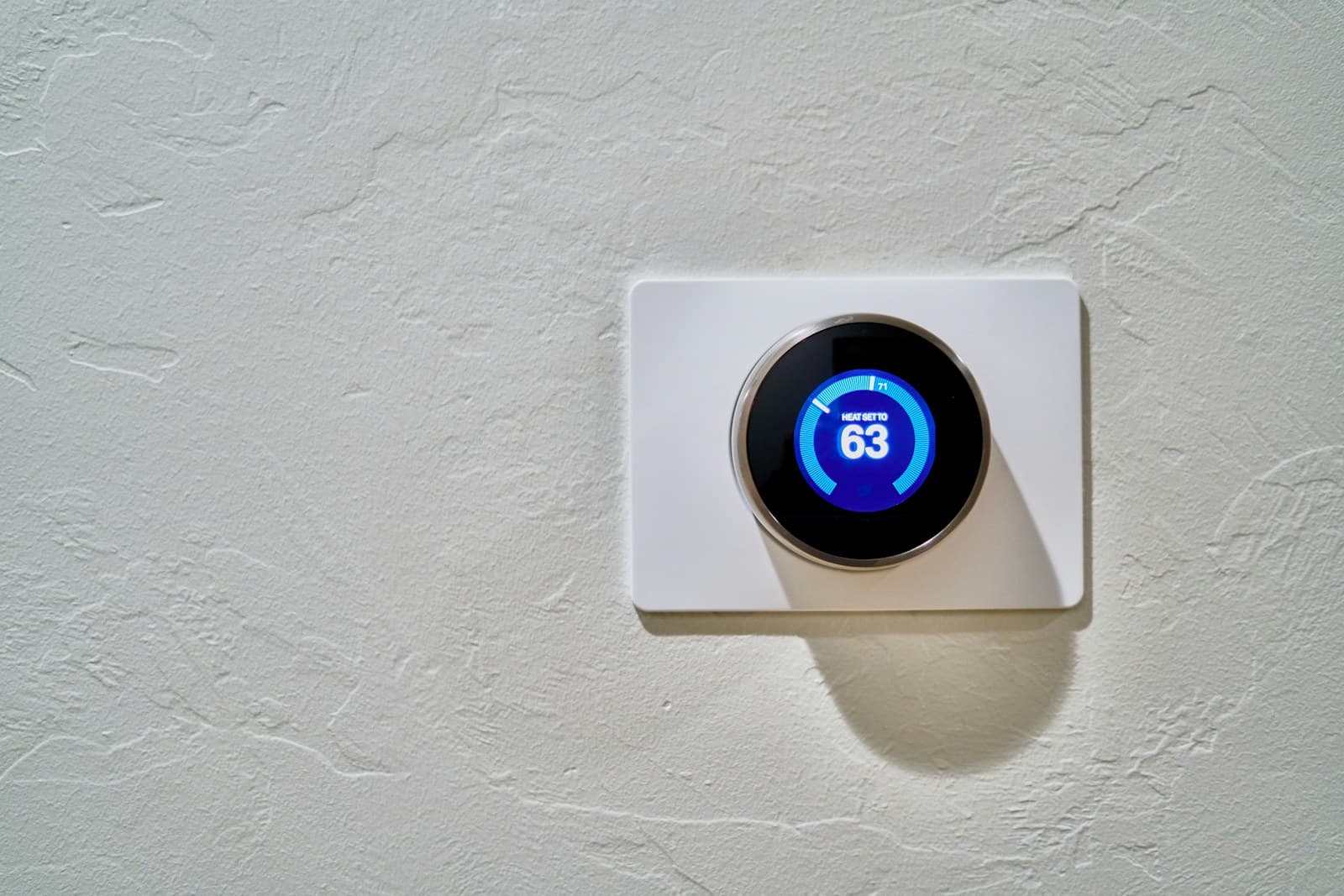
Confirm the thermostat or remote setting has not changed and review the display. For electric equipment, observe whether the dedicated breaker is tripped but do not reset a recurring trip. For gas odor or suspected combustion trouble, leave and contact the gas utility or emergency service.
Use the model-specific manual
Follow only external homeowner troubleshooting listed for the exact model. Some equipment has a safe user reset; other equipment requires service. Do not remove access panels, test live voltage, relight an unfamiliar pilot, or alter relief or vent components.
Prepare for repair or replacement scope
Give the plumber or qualified technician the model, age, fuel, symptoms, error code, leak location, household demand, water quality, and prior service. Ask whether the diagnosis involves a repairable control, heating component, venting, scale, tank failure, or system-sizing issue.
Put the guide to work
Field notes
- Photograph
- Model label, error code, leak location, venting condition from a safe distance, and surrounding damage.
- Do not alter
- Gas train, relief valve, vent, wiring, internal controls, or a wet energized heater.
- Scald prevention
- Do not raise temperature blindly to solve low supply; verify manufacturer and public-health guidance.
- Emergency
- Gas odor, carbon-monoxide alarm, smoke, arcing, rapidly leaking tank, or unstable hot-water discharge.
Make the next step useful
Put this guide on your home plan
Know when to call a professional. Stop if work involves active gas leaks, damaged service wiring, structural movement, unsafe heights, suspected contamination, or a problem you cannot confidently isolate.
Editorial review and sources
Reviewed by: Smart Homeowners Editorial Desk
Last reviewed: August 26, 2026
Original Smart Homeowners editorial; not adapted from a third-party article.