The 90-minute fall home reset
A focused room-by-room checklist to prepare your house before cooler weather arrives.
A fall reset is not a race through every maintenance task on the internet. It is a short, documented inspection of the systems that become consequential when rain, wind, shorter days, and heating season arrive. The useful outcome is a short follow-up list with photos, not a weekend spent fixing things that were never a problem.
Work from the ground, use the manuals for the equipment actually installed, and let local weather determine timing. This is a homeowner inspection guide, not instructions to service combustion equipment, climb a roof, open an electrical panel, or work around a suspected gas leak.
The short answer
Prioritize water control, safe heat, and clear air paths before cosmetic seasonal work.
Make a route before you touch anything
Choose daylight, dry ground, and enough time to walk the exterior, utility areas, living spaces, and records file in one direction. Use a phone note with three columns: observed, photographed, and follow-up. That separates a loose downspout from a vague reminder that the house 'needs attention.'
- Start with conditions
- Note the date, recent rain, first cold nights, and any rooms that felt damp, drafty, smoky, or unusually cold last season. Those details help a contractor understand a pattern rather than a one-time symptom.
- Take useful photos
- Shoot a wide image that establishes location and a close image that shows the issue. Include the appliance label, downspout outlet, or window corner where useful; avoid photographing account numbers or keys.
- Make a stop list
- A gas odor, smoke, hot-plastic smell, active leak near electricity, sagging ceiling, damaged service wiring, or a roof-access problem is not a checklist item. Leave the area and use the appropriate emergency or qualified service channel.
Follow rainwater from roof edge to ground
From the ground, look for gutters overflowing, joints that drip, downspouts that have come loose, and discharge that splashes or ponds beside the house. Watch the path during a safe rain if possible. Interior moisture often starts with water that was never carried away from the building.
- What to look for
- Staining on fascia, erosion, mulch washed from a bed, green growth at a wall, or a repeatedly damp basement corner are clues worth documenting. A clean gutter does not prove that the downspout route works.
- Safe homeowner work
- Clear only accessible debris from stable ground and reconnect a loose ground-level extension if the manufacturer instructions and conditions are safe. Keep discharge away from walkways where it can freeze or create a trip hazard.
- When to hire
- Call for help when water enters the structure, drainage crosses a neighbor's property, gutters or roof edges require unsafe ladder work, soil is eroding, or a sump system cannot keep pace. Do not diagnose foundation movement from one crack or seal over recurring water.
Prepare heat without servicing fuel-burning equipment
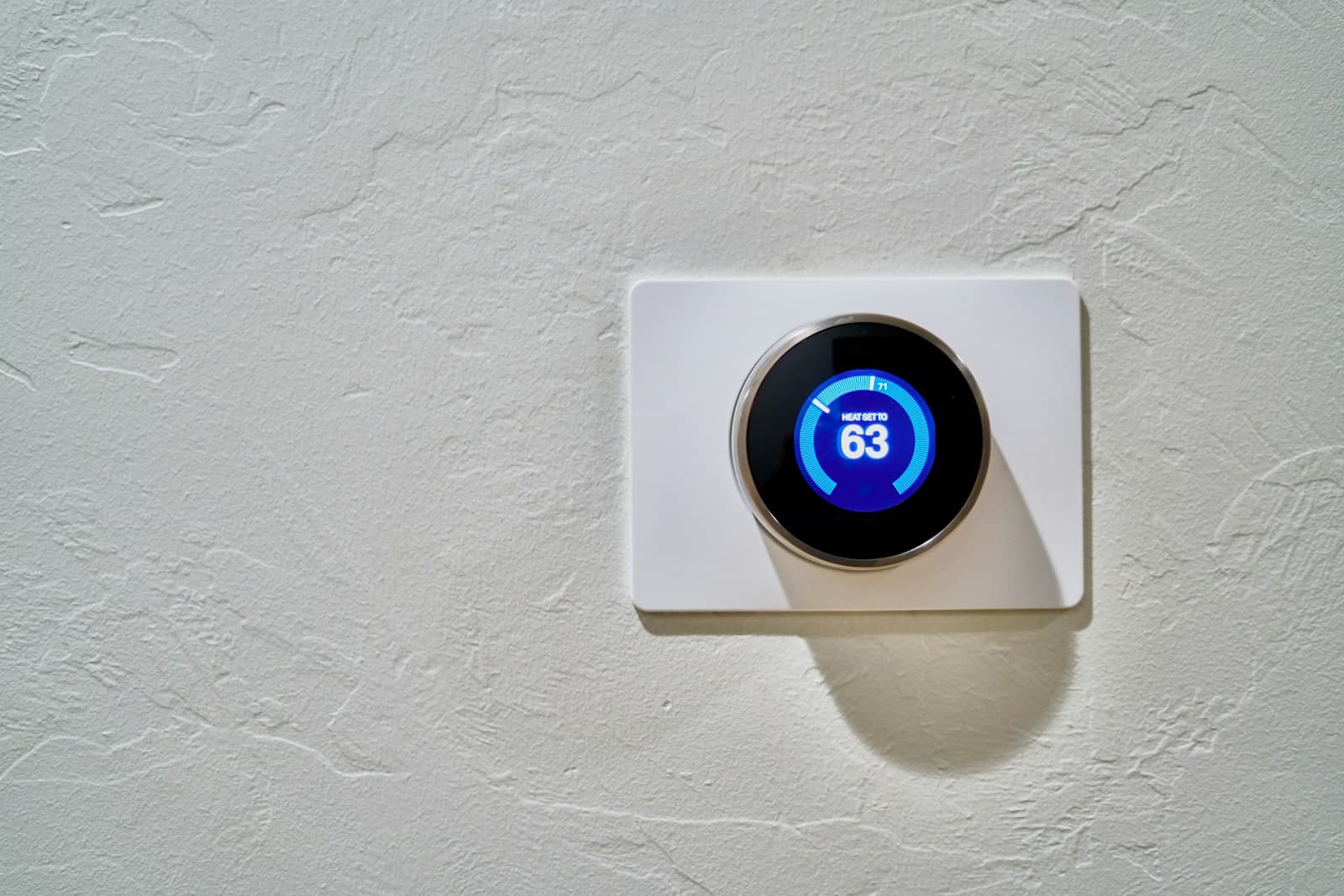
Find the filter size, thermostat manual, and service record before the first sustained heating demand. Check that supply and return grilles are open and not blocked by rugs or furniture. If the system had short cycles, uneven rooms, new noise, soot, odor, or repeated breaker trips last season, record that before a service appointment.
- Filter and airflow
- Use the filter type and orientation specified for the system. A filter that does not fit, a blocked return, or a grille closed to solve one uncomfortable room can create a different airflow problem.
- First run
- Run heat only as the equipment instructions allow and stay present for the first cycle. A brief dust smell can occur after idle months; persistent burning, fuel, or exhaust odor is different and needs action.
- Professional boundary
- Combustion testing, gas connections, heat exchangers, refrigerant, electrical measurements, and internal cleaning belong to qualified service personnel. Leave immediately and contact the utility or emergency services for suspected gas.
Check openings, drainage, and wet rooms for evidence
Walk windows, exterior doors, under-sink areas, the water heater area, laundry connections, and exterior penetrations. Look for swollen trim, soft paint, staining, loose weatherstripping, pests, or a repeated condensation pattern. Do not caulk a gap until you know whether it is intended for drainage or ventilation.
- Weatherstripping
- Look for compression, tears, daylight at a closed door, and a latch that no longer pulls the door snug. Replace like-for-like material only after checking door operation and drainage paths.
- Moisture clues
- Photograph recurring condensation, cabinet swelling, or a stain with the date. Compare after a similar weather event or water use; one observation does not identify the source.
- Avoid false fixes
- Do not paint, caulk, or cover moldy or damp material as a seasonal finish. Persistent moisture, soft material, or suspected hidden growth needs drying and an appropriate inspection.
Reset alarms, exits, and outdoor lighting
Test alarms using their test controls, review replacement dates in the device instructions, and make sure every sleeping area has an understood escape route. Then check entry lighting, house numbers, handrails, and walking surfaces before darker evenings make small hazards less visible.
- Alarm planning
- Testing confirms an alarm can sound; it does not replace the manufacturer's replacement schedule or a household escape plan. Never paint, cover, or silence an alarm rather than addressing its stated condition.
- Walk the route
- At dusk, walk from parking to each entrance. Note failed bulbs, uneven surfaces, loose handrails, obscured numbers, and branches blocking fixtures. Use fixtures rated for their location and lamp type.
- Emergency readiness
- Keep exits clear of storage and confirm everyone knows an outside meeting point. Do not rely on a portable heater, candles, or extension cords as a substitute for a safe heating or lighting repair.
Close the loop with a short, dated plan
Sort findings into monitor, homeowner task, scheduled maintenance, and urgent professional help. Save the photos with manuals, warranty records, and contractor invoices. A fall reset works when the same list makes next year's review faster and helps a professional see what changed.
- Prioritize by consequence
- Water entry, heat safety, alarms, and safe access belong ahead of cosmetic projects. A repair may be inexpensive or expensive; urgency comes from the risk of delay, not the appearance of the task.
- Schedule before peak demand
- If a system needs routine qualified service, arrange it before extreme weather makes appointments scarce. Ask what was inspected, what was found, and what maintenance interval applies to your model.
- Review after the first storm
- Revisit documented drainage and window concerns after meaningful rain or wind. Update the list with what actually happened instead of assuming a dry-day inspection resolved the issue.
Put the guide to work
Field notes
- A useful 90-minute route
- Exterior water path first; heating and utility areas next; then alarms, exits, openings, and records. Photograph conditions that need a second look.
- What not to DIY
- Wet roofs, high ladders, gas equipment, panels, exposed wiring, and active water near electricity are professional or emergency territory.
- Use actual manuals
- Filter size, alarm replacement dates, and service intervals come from the installed equipment—not a generic seasonal calendar.
- Document the trigger
- A symptom tied to rain, a heating cycle, or a particular room is much easier to diagnose than a memory from last winter.
Make the next step useful
Put this guide on your home plan
Know when to call a professional. Stop if work involves active gas leaks, damaged service wiring, structural movement, unsafe heights, suspected contamination, or a problem you cannot confidently isolate.
Editorial review and sources
Reviewed by: Smart Homeowners Editorial Desk
Last reviewed: August 26, 2026
Original Smart Homeowners editorial; not adapted from a third-party article.