A fall exterior reset that separates maintenance from weekend overreach
Use daylight, local weather, and a documented ground-level walk-through to prioritize water, access, heating-season preparation, and outdoor storage.
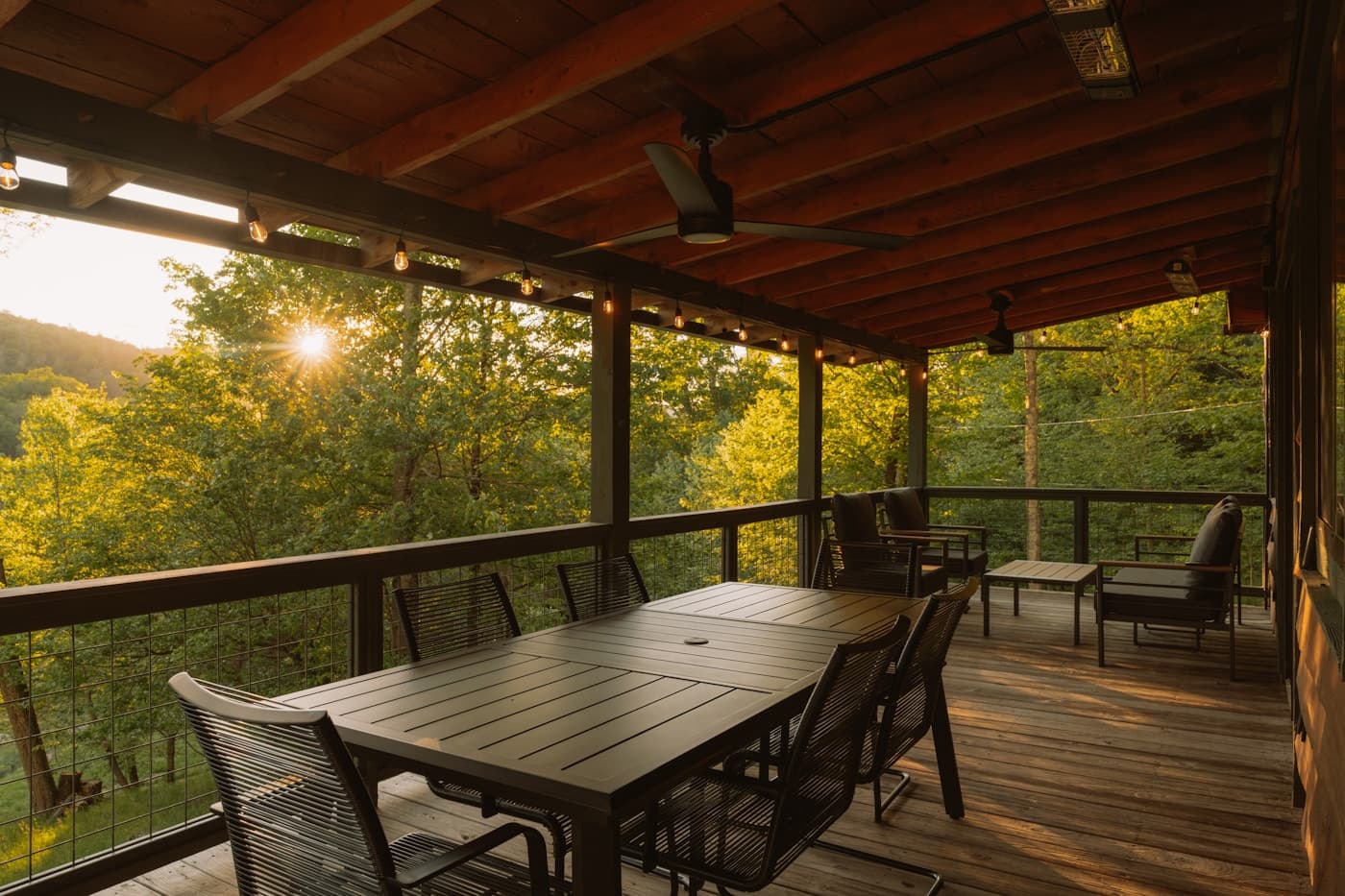
Fall can bring rain, leaf buildup, shorter days, and the first sustained heating demand. A seasonal reset is most helpful when it creates a prioritized follow-up list rather than a vague feeling that every corner needs attention.
Adapt timing to local climate. Do not climb roofs, service fuel-burning equipment, enter crawlspaces, or use a ladder in poor conditions to complete a checklist.
The short answer
The useful fall list is short: follow water, protect access, prepare equipment according to its manual, and put unsafe height, gas, electrical, and structural work on a professional list.
Set conditions for the walk-through
Choose daylight and dry footing, then note recent rain, first cold nights, and areas that were troublesome last season. Use photos and short notes rather than trying to repair as you walk.
Trace rain from roof edge to ground
Look from the ground for overflow, loose downspouts, erosion, standing water, and visible exterior staining. Keep unsafe gutter and roof access off the homeowner task list.
Prepare exterior storage and access
Store furniture, hoses, tools, and seasonal items according to their instructions. Clear stairs, paths, and lighting zones without blocking drains or piling combustible material against the home.
Review heating-season readiness
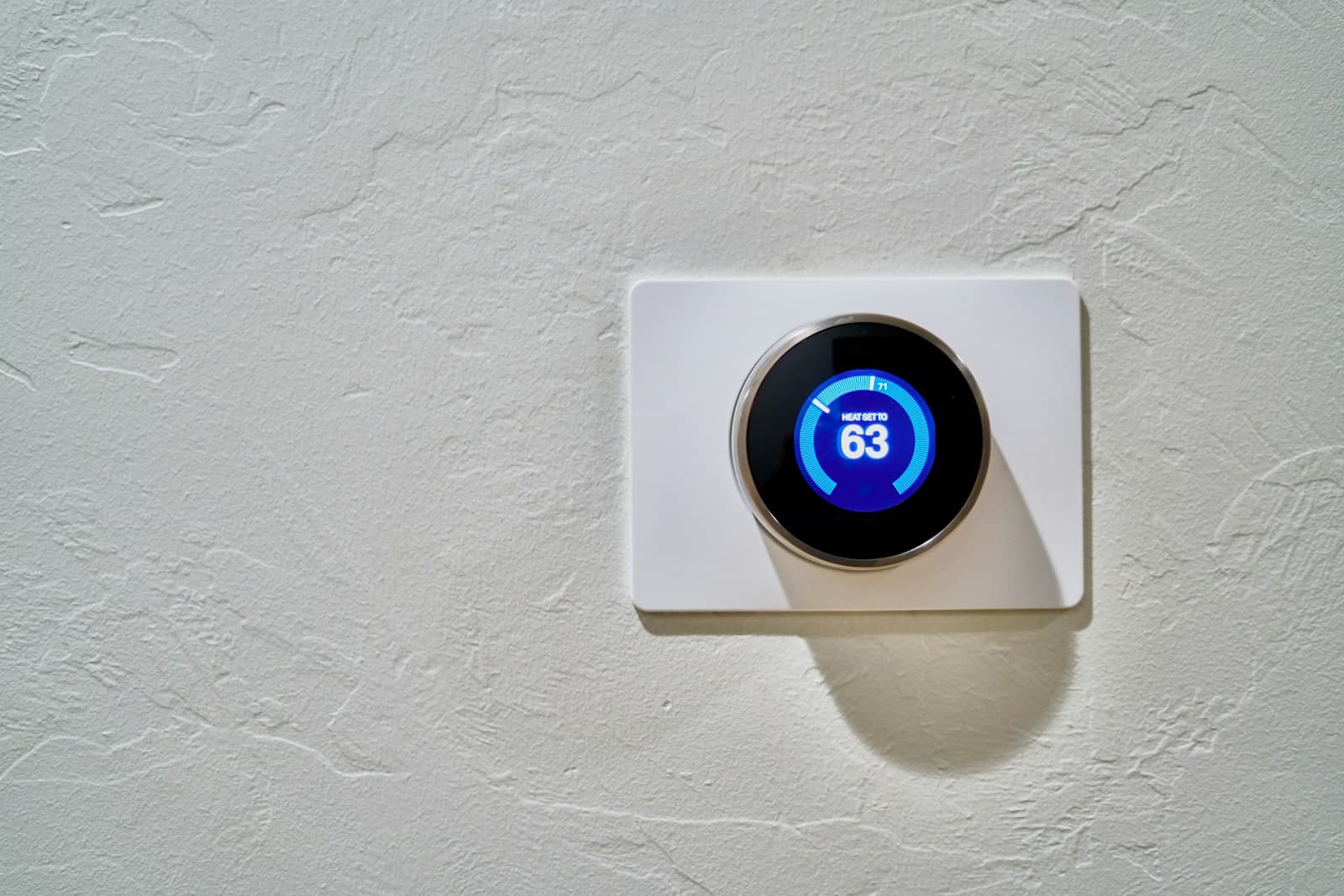
Find filter sizes, thermostat manuals, and prior service records. Note equipment symptoms for a qualified appointment; do not service combustion, gas, refrigerant, or electrical components yourself.
Protect records and supplies
Make sure flashlights, weather information, medication, and key contacts are reachable. Update home records with any seasonal maintenance or observed repairs.
Prioritize the follow-up list
Put water entry, unsafe paths, damaged rails, active leaks, heating or electrical symptoms, and exposed structural damage first. Save cosmetic cleaning and decor tasks for after the risk items are scheduled.
Put the guide to work
Field notes
- Follow water first
- Record gutters, downspouts, grading, window wells, hose connections, and low spots; water entry can turn a small exterior issue into an indoor repair.
- Protect routes
- Check lighting, handrails, walkways, and exterior storage before wet leaves, frost, and early darkness raise slip and access risks.
- Use manuals
- Winterizing, heating, irrigation, and outdoor equipment procedures vary; the installed product manual outranks a generic checklist.
- Schedule qualified work
- Keep gas, electrical, roof, large-tree, chimney, and structural observations in a photographed follow-up list.
Make the next step useful
Put this guide on your home plan
Know when to call a professional. Stop if work involves active gas leaks, damaged service wiring, structural movement, unsafe heights, suspected contamination, or a problem you cannot confidently isolate.
Editorial review and sources
Reviewed by: Smart Homeowners Editorial Desk
Last reviewed: August 26, 2026
Original Smart Homeowners editorial; not adapted from a third-party article.