What to check before turning the heat on
Filters, vents, thermostat settings, alarms, and a short first run can reveal problems before the first cold night.
The first heating run should be a controlled observation, not a test performed after the house is already cold. On a mild day, there is time to check the airflow path, alarms, thermostat, equipment area, and one complete operating cycle without pressure to keep a questionable system running.
Different systems have different normal sounds, smells, defrost behavior, and cycle patterns. Use the manufacturer’s instructions for the installed equipment, and compare this season’s operation with the home’s established baseline rather than a generic rule from another system type.
The short answer
Do the first heating test while the weather is mild enough to stop, investigate, and schedule service without an emergency call.
Check the filter and airflow path
Inspect the system filter and replace or clean it according to the equipment instructions. Open supply registers, clear blocked returns, and move stored items away from the furnace or air handler.
Test alarms before the first run
Test smoke and carbon monoxide alarms and replace devices or batteries according to their instructions. Combustion equipment should never be operated without working carbon monoxide protection.
Review the thermostat schedule
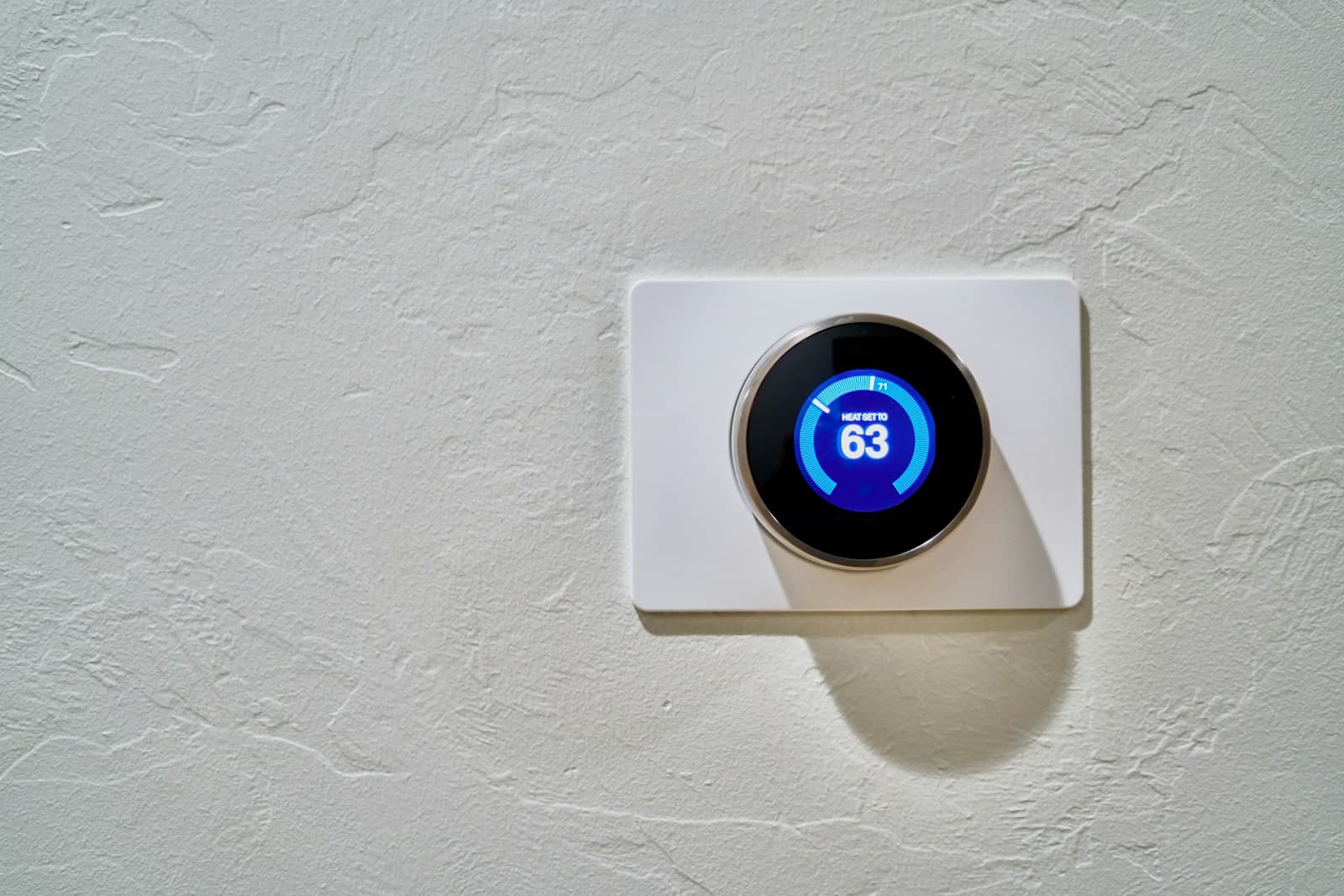
Confirm the clock, heating mode, setpoints, and any vacation or setback schedule. A schedule that no longer matches the household can create comfort complaints that look like equipment failure.
Run the system while you can observe it
Choose a mild day, raise the setpoint, and listen through a complete start-and-stop cycle. Confirm warm air or heat delivery in several rooms and look for an error code, water around the equipment, or repeated cycling.
Stop for fuel, electrical, or combustion warning signs
Leave and contact the utility or emergency services if gas is suspected. Shut the system down and call a qualified technician for persistent burning odors, sparking, unusual soot, a tripped carbon monoxide alarm, or abnormal noise.
Make the first-run record useful
Keep a short note of filter date, thermostat setting, outside conditions, rooms that lag, sounds, display codes, and the time the system starts and stops. Give that record to a technician if service is needed. Do not reset a recurring fault code repeatedly or remove a panel to make the observation more complete.
Put the guide to work
Field notes
- Before the call for heat
- Identify the system type, find the current manual, inspect or replace the filter as directed, uncover returns and registers, clear stored combustibles, and confirm smoke and carbon-monoxide alarms operate.
- During one full cycle
- Record thermostat setpoint, start time, sounds, display codes, air or radiator response in several rooms, visible water, and stop time. Do not remove access panels or bypass a safety control.
- Possible first-run odor
- Light dust on heating surfaces can create a brief odor that fades. A persistent burning-plastic odor, smoke, sparking, soot, fuel odor, or worsening smell is not a condition to monitor while the system continues operating.
- Stop and call
- Leave and contact the utility or emergency services for suspected gas or a carbon-monoxide alarm. Shut the system down and request qualified service for repeated cycling, leaks, electrical symptoms, abnormal combustion signs, or failure to deliver heat.
Make the next step useful
Put this guide on your home plan
Know when to call a professional. Stop if work involves active gas leaks, damaged service wiring, structural movement, unsafe heights, suspected contamination, or a problem you cannot confidently isolate.
Editorial review and sources
Reviewed by: Smart Homeowners Editorial Desk
Last reviewed: August 25, 2026
Original Smart Homeowners editorial; not adapted from a third-party article.