Why is the AC running but not cooling? Check the evidence before resetting it
A thermostat setting, blocked airflow, outdoor-unit problem, condensate issue, or equipment fault can produce similar symptoms. A short observation record helps separate them safely.
An air conditioner can produce airflow without removing enough heat, and a room can remain hot even when the equipment is working because heat gain exceeds capacity. Do not begin by adding refrigerant, washing internal components, or repeatedly cycling power. Start with the controls and conditions a homeowner can observe without opening equipment.
Variable-capacity systems may run for long periods by design, while short cycling or a sudden loss of cooling can signal a problem. Use the manual for the installed system and keep the service disconnect, panels, capacitors, refrigerant circuit, and wet electrical areas out of homeowner scope.
The short answer
Confirm thermostat mode and setpoint, check the specified filter and open airflow paths, compare room temperatures and outdoor-unit behavior, and document water, ice, sounds, or error codes. Stop for smoke, burning odor, repeated breaker trips, or damaged wiring; refrigerant and internal electrical work require qualified service.
Verify the call for cooling
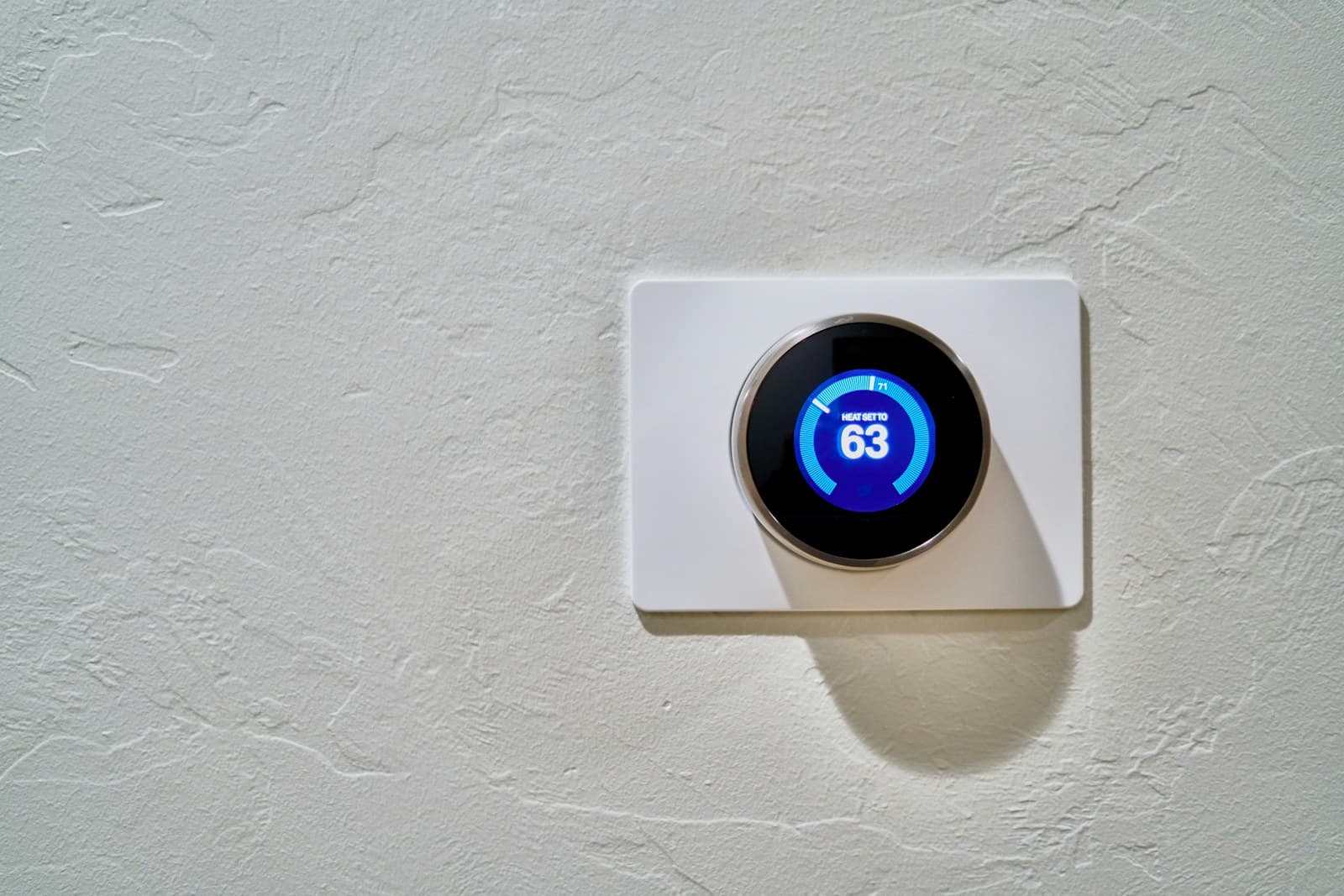
Set the thermostat to cooling, confirm the displayed indoor temperature is above the setpoint, and check that a schedule, hold, eco mode, or remote sensor is not controlling a different room. Replace thermostat batteries only if the manual calls for them. Record the time and outdoor temperature.
Check airflow without opening equipment
Inspect the filter against the system's specified size, type, and change instructions. Confirm returns and supply registers are open and not blocked by furniture, rugs, or stored items. Note whether airflow is weak everywhere or only in one room; that distinction helps identify a system-wide versus local issue.
Observe the indoor and outdoor units
From a safe distance, note whether the indoor blower and outdoor unit operate, whether an error code appears, and whether unusual buzzing, rattling, water, or visible ice is present. Do not reach through a grille, remove a panel, touch a capacitor, or chip ice from a coil.
Reduce heat while arranging the next step
Close sun-exposed shades, avoid heat-producing appliances, use fans only in occupied rooms, and follow local extreme-heat guidance. If ice is visible, airflow is absent, condensate is overflowing, or cooling remains inadequate after basic settings and filter checks, arrange qualified HVAC service.
Give the technician a useful timeline
Provide thermostat settings, indoor and outdoor conditions, filter information, rooms affected, runtime pattern, breaker or error events, water or ice observations, and previous repairs. That record is more useful than repeatedly resetting the system until the symptom disappears.
Put the guide to work
Field notes
- Safe checks
- Thermostat mode, schedule, filter, accessible registers, room pattern, visible water or ice, and error codes.
- Do not DIY
- Refrigerant, capacitors, service wiring, internal controls, sealed equipment, or condensate work near energized parts.
- Heat safety
- Use a cool location and follow public-health guidance if indoor heat becomes unsafe.
- Call now
- Smoke, burning odor, sparking, repeated breaker trips, damaged wiring, or a carbon-monoxide alarm.
Make the next step useful
Put this guide on your home plan
Know when to call a professional. Stop if work involves active gas leaks, damaged service wiring, structural movement, unsafe heights, suspected contamination, or a problem you cannot confidently isolate.
Editorial review and sources
Reviewed by: Smart Homeowners Editorial Desk
Last reviewed: August 26, 2026
Original Smart Homeowners editorial; not adapted from a third-party article.