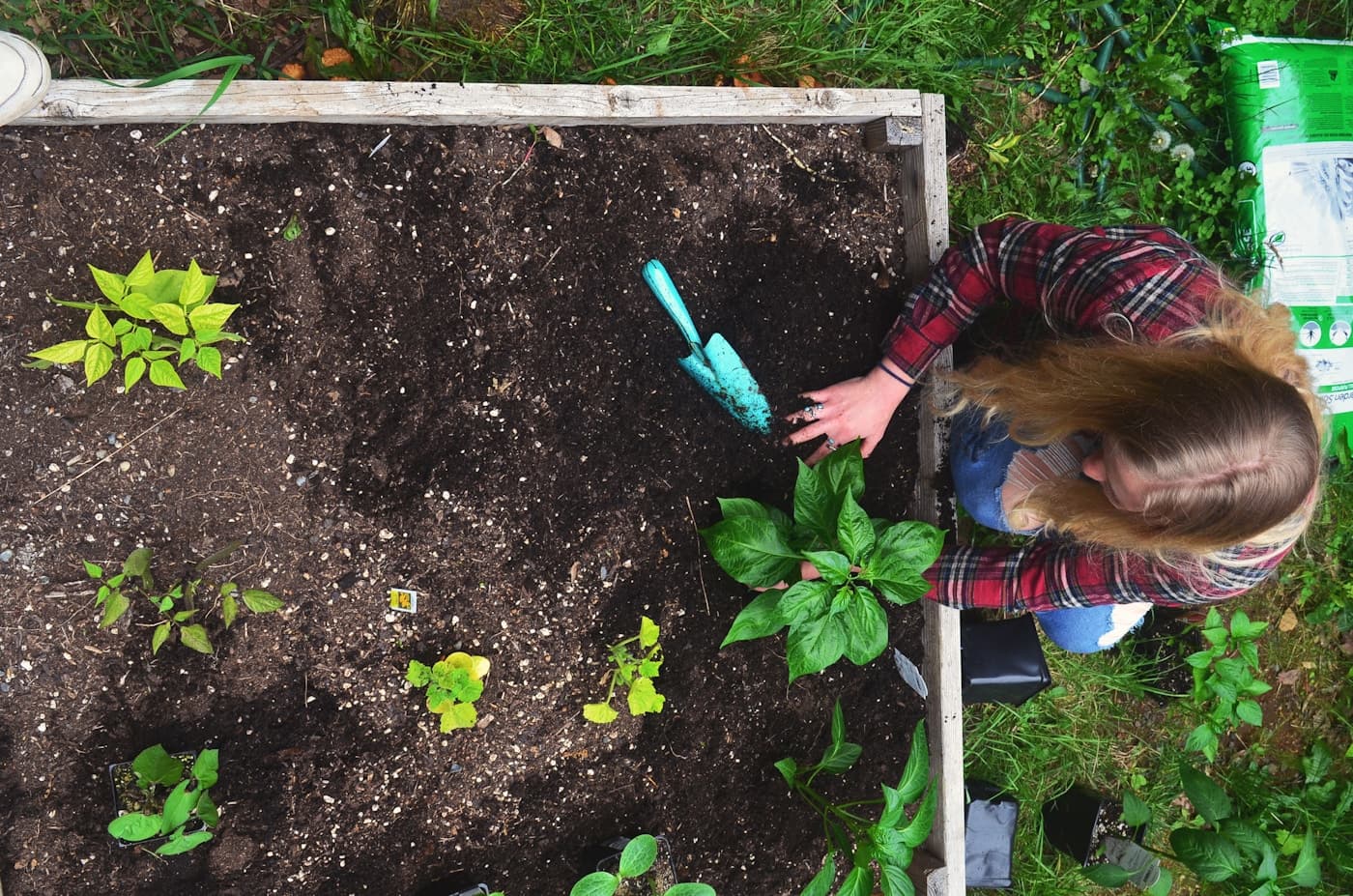
How to water a garden during extreme heat without drowning the roots
Heat, wind, container size, soil, plant age, mulch, and root depth change water demand. Check the root zone instead of adding a universal daily schedule.
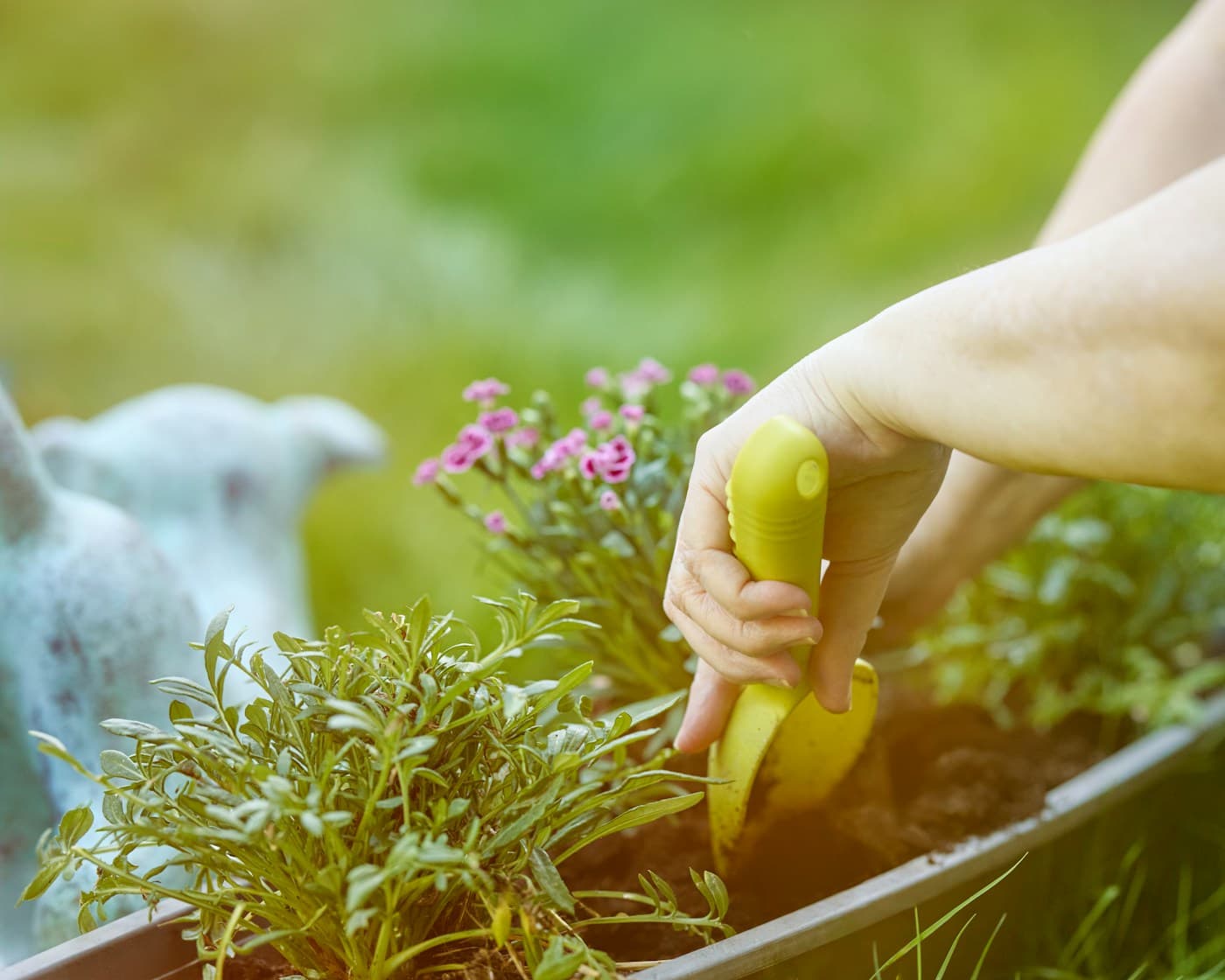
Plants can wilt temporarily at midday even when soil contains moisture, while a newly planted tree can look acceptable above ground as the root ball dries. A fixed number of minutes does not reveal which condition is present.
Follow local drought restrictions and wildfire guidance. Keep irrigation away from the house where it creates moisture problems, and do not leave hoses across exits or hot walking surfaces.
The short answer
Prioritize recently planted and container-grown plants, check moisture at root depth early in the day, water slowly enough to infiltrate, reduce evaporation and runoff, shade vulnerable new plants when appropriate, and postpone fertilizing or heavy pruning during severe stress.
Triage by establishment and container
Check new transplants, shallow-rooted vegetables, hanging baskets, and containers first. Established climate-adapted plants may tolerate heat with less intervention. A small dark container in reflected sun can dry far faster than a shaded bed.
Test the root zone
Move mulch aside and check moisture at the depth where active roots are expected, comparing the original root ball with surrounding soil for new plants. Do not water only because the surface looks pale or because leaves droop for one hot hour.
Water slowly and early
Apply water at soil level during the cooler part of the day, allowing it to soak rather than run off. Cycle irrigation on slopes or compacted soil if local rules permit. Avoid frequent shallow sprinkling that never reaches the root zone.
Reduce avoidable stress
Maintain appropriate mulch away from trunks and crowns, provide temporary shade for vulnerable new plants, pause transplanting, and avoid heavy fertilizing or pruning during the heat event. Repair leaks and overspray promptly.
Review after the heat breaks
Wait before removing every scorched leaf or declaring a woody plant dead. Check buds, stems, and soil moisture, then adjust irrigation based on survival and root establishment. Record which locations repeatedly overheat for future plant selection.
Put the guide to work
Field notes
- Priority
- New plants, containers, vegetables, and shallow-rooted beds.
- Root depth
- Check below the surface and compare the root ball with surrounding soil.
- Avoid
- Runoff, daily shallow watering, fertilizer, hard pruning, and mulch against stems.
- House
- Keep irrigation from wetting siding, foundations, walking surfaces, and electrical equipment.
Make the next step useful
Put this guide on your home plan
Know when to call a professional. Stop if work involves active gas leaks, damaged service wiring, structural movement, unsafe heights, suspected contamination, or a problem you cannot confidently isolate.
Editorial review and sources
Reviewed by: Smart Homeowners Editorial Desk
Last reviewed: August 26, 2026
Original Smart Homeowners editorial; not adapted from a third-party article.