Do a tree-planting site check before choosing a species
A young tree’s long-term success depends on overhead lines, underground utilities, mature size, drainage, root space, and watering—not the nursery photo.
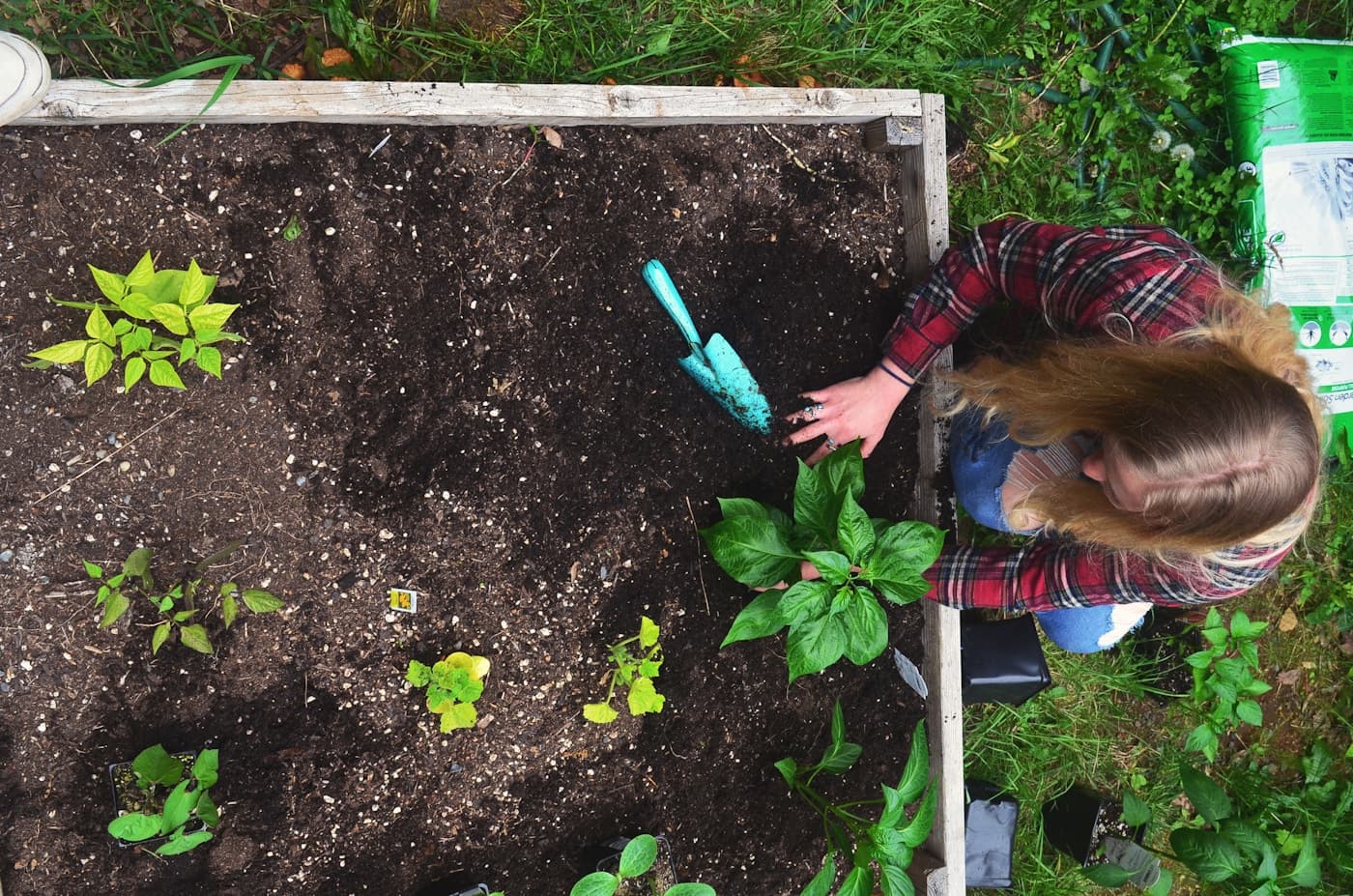
Trees can add shade, structure, habitat, and property enjoyment for decades, which is why a site check matters more than a quick species search. The wrong mature size can conflict with wires, foundations, pavement, views, and neighboring property.
This guide is for planning and ground-level observation. Always use the local utility locate service before digging and consult a qualified arborist for large, hazardous, diseased, or utility-adjacent trees.
The short answer
Select for the mature tree and the exact site. Call before digging, respect utility clearances, and plant only after drainage and water access are understood.
Map fixed constraints
Measure distances to buildings, walks, driveways, septic components where known, overhead lines, and property boundaries. Do not guess at underground lines or roots.
Call before digging
Use the applicable utility-location service and wait for markings and instructions. Hand tools, roots, or a shallow hole do not remove the need to know what is underground.
Match species to site
Use local extension or municipal tree guidance to compare species by mature form, drought tolerance, soil, pests, and climate. Avoid selections solely because they are fast growing.
Prepare the planting area
Plant at the recommended depth in a hole that fits the root system, following local guidance. Do not bury trunk flare, amend blindly, or stake a tree unless conditions and instructions call for it.
Water and mulch deliberately
Water at root depth during establishment according to weather and soil. Keep mulch away from the trunk and avoid a permanent wet ring against bark.
Create an early-care record
Photograph the tree at planting, record species and location, and note watering, pests, storm damage, and pruning work. Call an arborist for hanging limbs, utility conflict, rapid decline, or a tree that threatens people or structures.
Put the guide to work
Field notes
- Look up and down
- Map overhead wires, structures, lights, drainage, driveways, and likely underground utilities before selecting a planting location.
- Plan mature size
- Use reliable local sources for mature height, spread, root behavior, and water need; nursery size is not the design size.
- Test drainage
- Note standing water after rain and irrigation. A planting hole cannot solve a site that routinely stays saturated.
- Protect young trees
- Plan watering, mulch, trunk protection, and access before planting so a new tree is not forgotten after installation.
Make the next step useful
Put this guide on your home plan
Know when to call a professional. Stop if work involves active gas leaks, damaged service wiring, structural movement, unsafe heights, suspected contamination, or a problem you cannot confidently isolate.
Editorial review and sources
Reviewed by: Smart Homeowners Editorial Desk
Last reviewed: August 26, 2026
Original Smart Homeowners editorial; not adapted from a third-party article.
