Start a backyard compost system with a small, manageable first season
Choose a contained setup, learn what belongs in it, and use moisture and turning as observations—not chores to overdo.
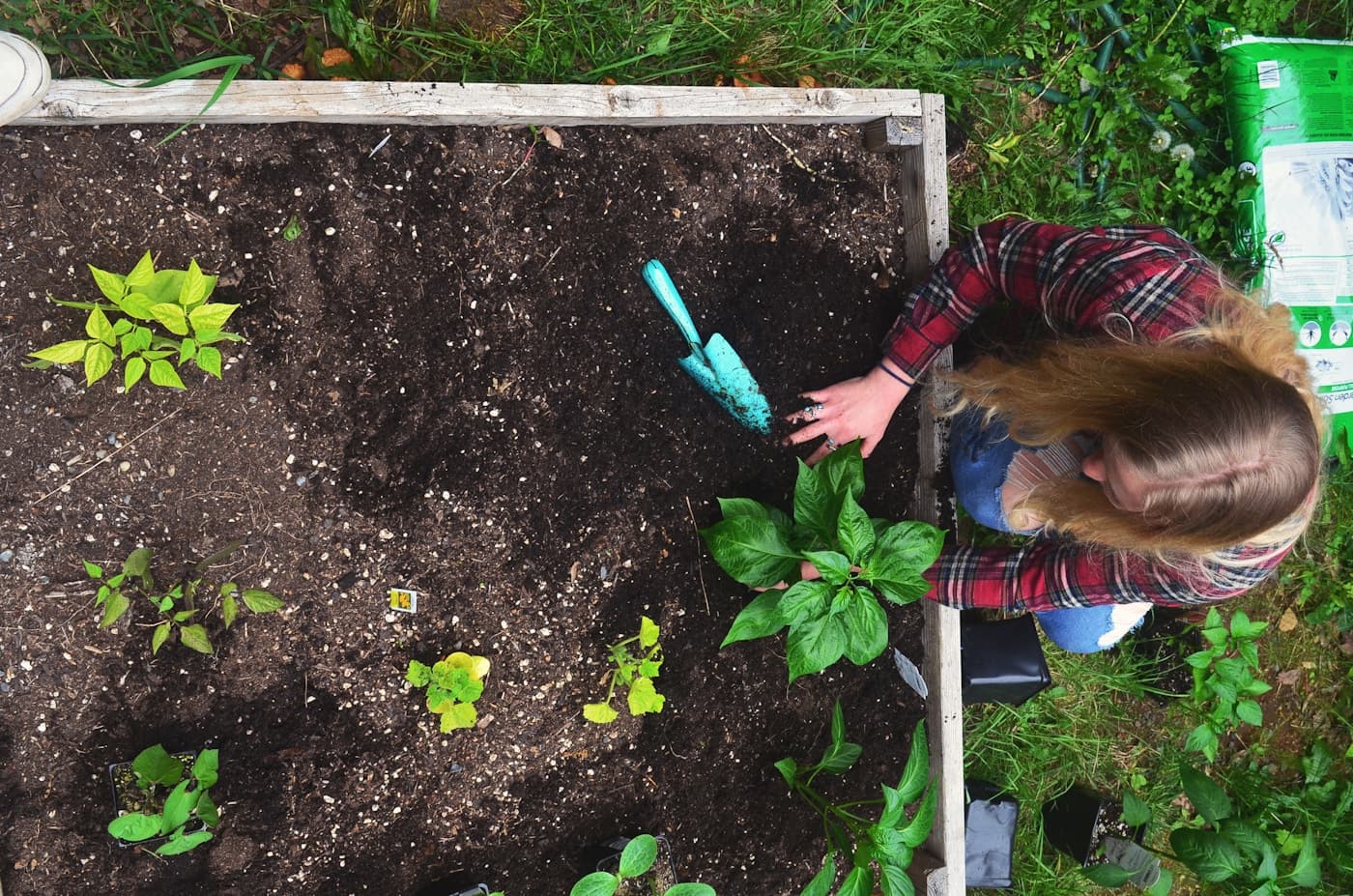
Composting is controlled decomposition: microorganisms turn suitable yard and food materials into a soil amendment. It is not simply a place to hide every scrap. Location, ingredients, moisture, and local pest conditions determine whether a bin becomes useful or frustrating.
Start smaller than the yard-waste pile suggests. A covered bin or contained pile near a water source can be easier to observe and adjust than a large, remote heap. Check local collection and pest guidance before choosing what food scraps to include.
The short answer
A modest compost system works best when it suits the yard, local rules, and household routine. Start with common yard and kitchen materials, manage moisture, and avoid inputs that attract pests or create a health risk.
Choose a legal, workable location
Pick a level spot with access for adding material and harvesting compost. Keep it away from sensitive property lines, wells, and drainage paths according to local guidance.
Build a small base of coarse browns
Begin with leaves, twigs, or other suitable dry material to improve air flow. Add a modest layer of fresh green material rather than creating a dense, wet mass.
Add materials in thin, covered layers
Bury or cover approved food scraps with leaves or finished compost. This limits odors and keeps the bin easier to manage.
Check weekly by sight, touch, and smell
If dry, add a little water while turning. If wet or compacted, mix in dry leaves and loosen the material. Wear gloves and wash hands after handling compost.
Harvest only when it has matured
Use compost after it is dark, crumbly, and no longer resembles its inputs. Spread it as an amendment rather than assuming it replaces soil testing, fertilizer needs, or plant-specific care.
Use a wet-or-dry troubleshooting check
A pile that is compacted, dripping, or sour generally needs dry browns and airflow; a pile that is dusty and inactive needs moisture and a modest addition of suitable greens. If pests, odors, or local restrictions persist, stop adding material and consult local or extension guidance.
Put the guide to work
Field notes
- Balance materials
- Dry leaves and small woody material provide carbon-rich structure; fresh plant material and approved food scraps add nitrogen. Avoid treating the categories as exact recipes—texture and moisture tell you more.
- Keep it damp, not soaked
- The material should resemble a wrung-out sponge. A sour smell or dripping mass usually calls for more dry structure and airflow, not perfume or chemicals.
- Respect pest limits
- Meat, dairy, oils, pet waste, and diseased plants may be unsuitable in a backyard system. Follow local and extension guidance for your region.
- Use finished material carefully
- Finished compost is dark and crumbly with an earthy smell. Let incomplete material continue decomposing rather than digging recognizable scraps into a planting bed.
Make the next step useful
Put this guide on your home plan
Know when to call a professional. Stop if work involves active gas leaks, damaged service wiring, structural movement, unsafe heights, suspected contamination, or a problem you cannot confidently isolate.
Editorial review and sources
Reviewed by: Smart Homeowners Editorial Desk
Last reviewed: August 25, 2026
Original Smart Homeowners editorial; not adapted from a third-party article.
