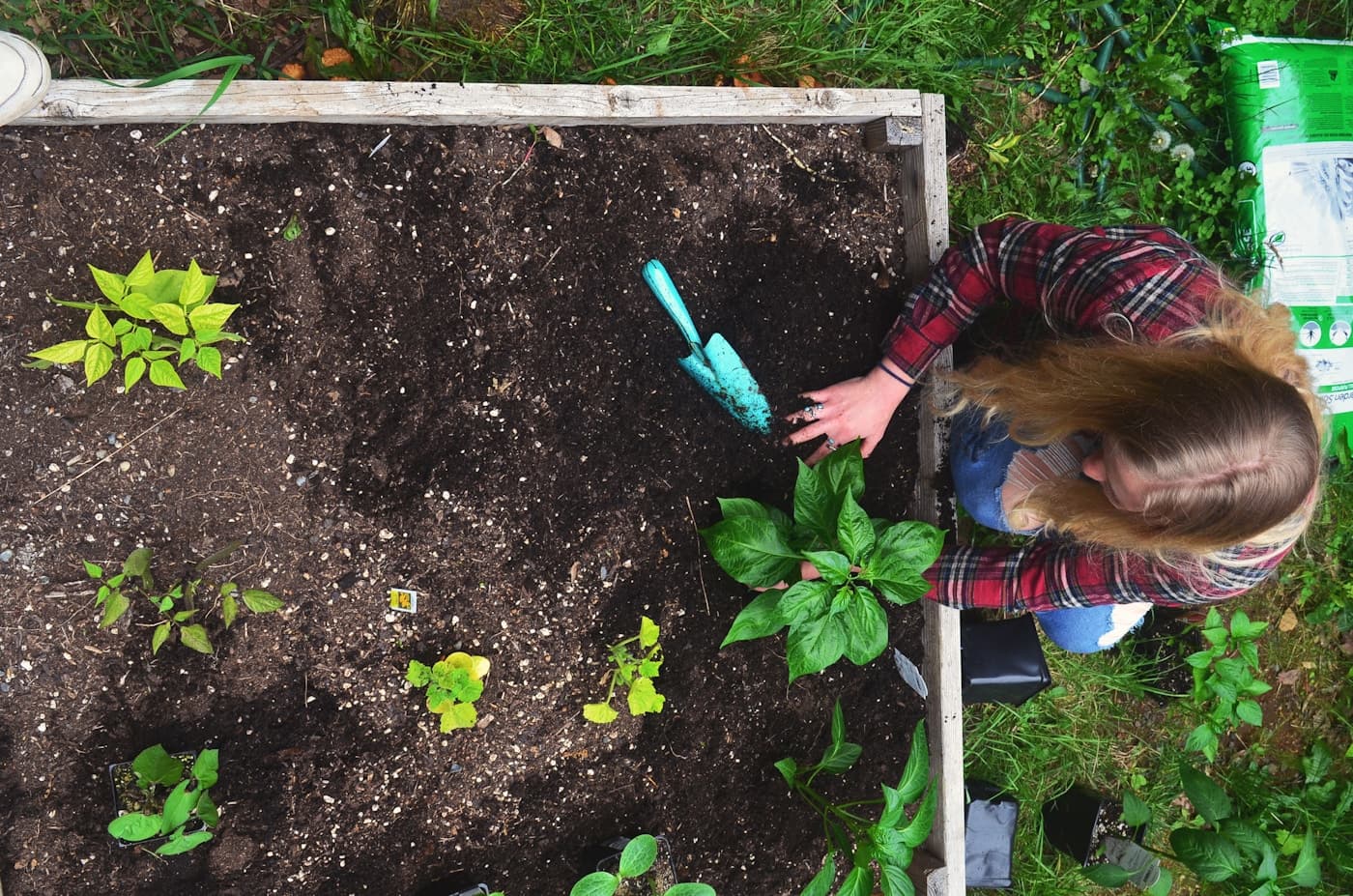
How to start a native plant garden without buying a random wildflower mix
A durable native planting begins with ecoregion, sun, soil moisture, mature size, bloom sequence, and plant provenance—not a national list labeled for every yard.
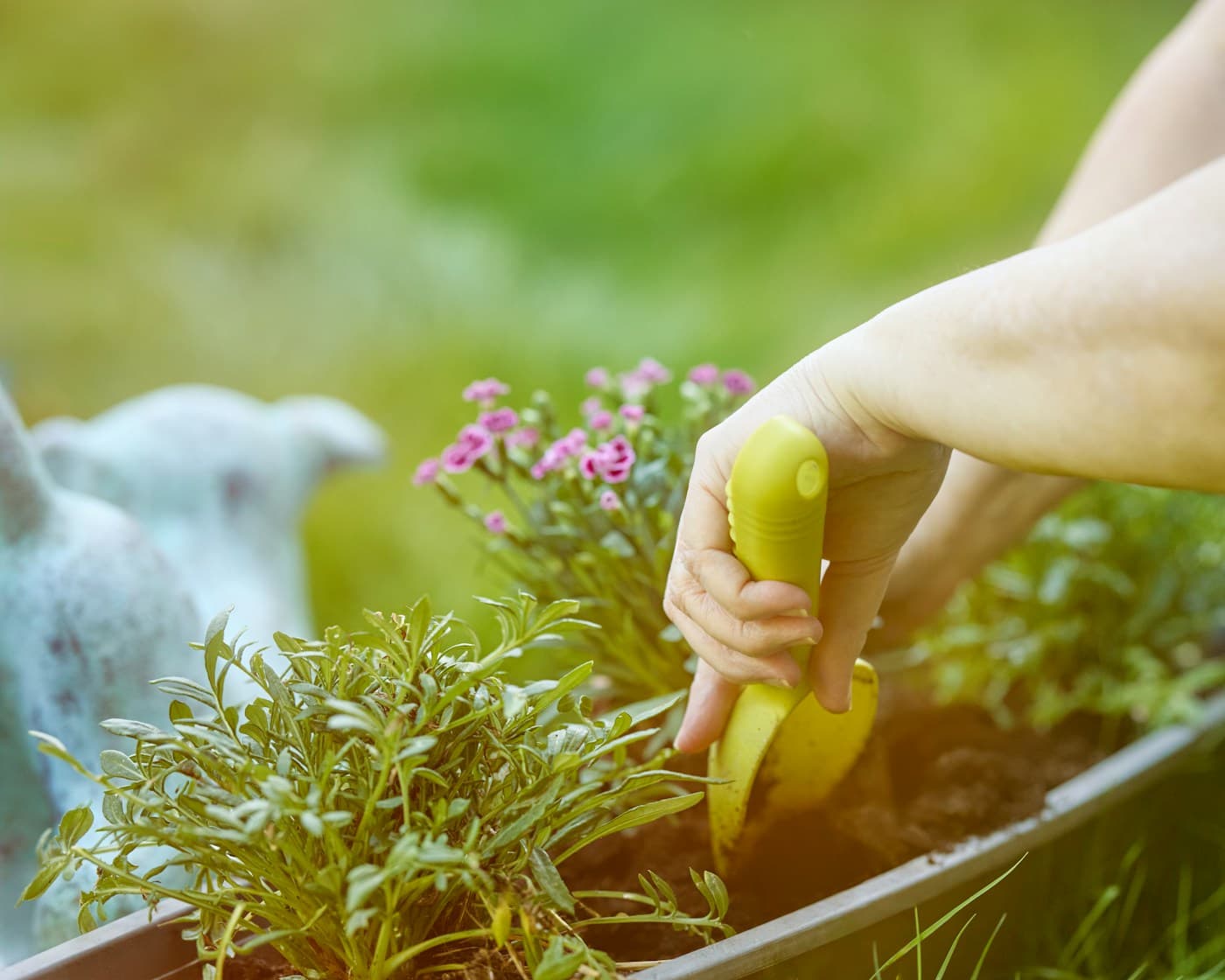
A plant can be native to part of North America and still be poorly suited to a specific county, elevation, soil, or garden condition. 'Native' also does not mean maintenance-free, nonaggressive, or safe in every location.
Start with one manageable bed. Avoid digging or planting over utilities, septic components, drainage paths, defensible-space zones, or access needed for the house. Check local invasive-species and wildfire guidance.
The short answer
Use local extension, native-plant society, or conservation resources to identify regionally appropriate species; map sun and soil moisture; choose a small layered plant community; buy correctly identified plants; and manage weeds and establishment water through the first seasons.
Define the local reference
Use county extension, state natural heritage, regional native-plant society, or conservation-district resources. Identify the ecoregion and whether a species is native locally rather than somewhere on the continent. Record scientific names to avoid common-name confusion.
Map site conditions through weather
Observe sun across seasons, soil moisture after rain, irrigation overspray, drainage, heat reflected from walls, wind, and competition from tree roots. A one-afternoon reading can miss a bed that floods in winter or bakes in summer.
Choose a small plant community
Combine structural plants, seasonal flowers, ground coverage, and grasses or sedges where suitable. Stagger bloom and habitat value, respect mature width, and avoid crowding plants against siding, vents, paths, or utility equipment.
Prepare and source carefully
Control existing invasive weeds before planting and avoid unnecessary soil disturbance. Buy nursery-propagated plants with verified identity and origin where available; do not collect from wild populations without authorization.
Manage establishment, then edit
Water according to species and site during establishment, label plants, photograph the bed monthly, and distinguish seedlings from weeds before pulling. Reduce irrigation gradually only when roots and seasonal rainfall support it.
Put the guide to work
Field notes
- Local first
- Ecoregion and county-level suitability are more useful than a national native list.
- Scientific names
- Record them to avoid common-name and cultivar confusion.
- Small first bed
- Learn establishment and weed identification before converting the whole yard.
- House safety
- Protect drainage, utilities, access, siding clearance, and wildfire-defensible zones.
Make the next step useful
Put this guide on your home plan
Know when to call a professional. Stop if work involves active gas leaks, damaged service wiring, structural movement, unsafe heights, suspected contamination, or a problem you cannot confidently isolate.
Editorial review and sources
Reviewed by: Smart Homeowners Editorial Desk
Last reviewed: August 26, 2026
Original Smart Homeowners editorial; not adapted from a third-party article.