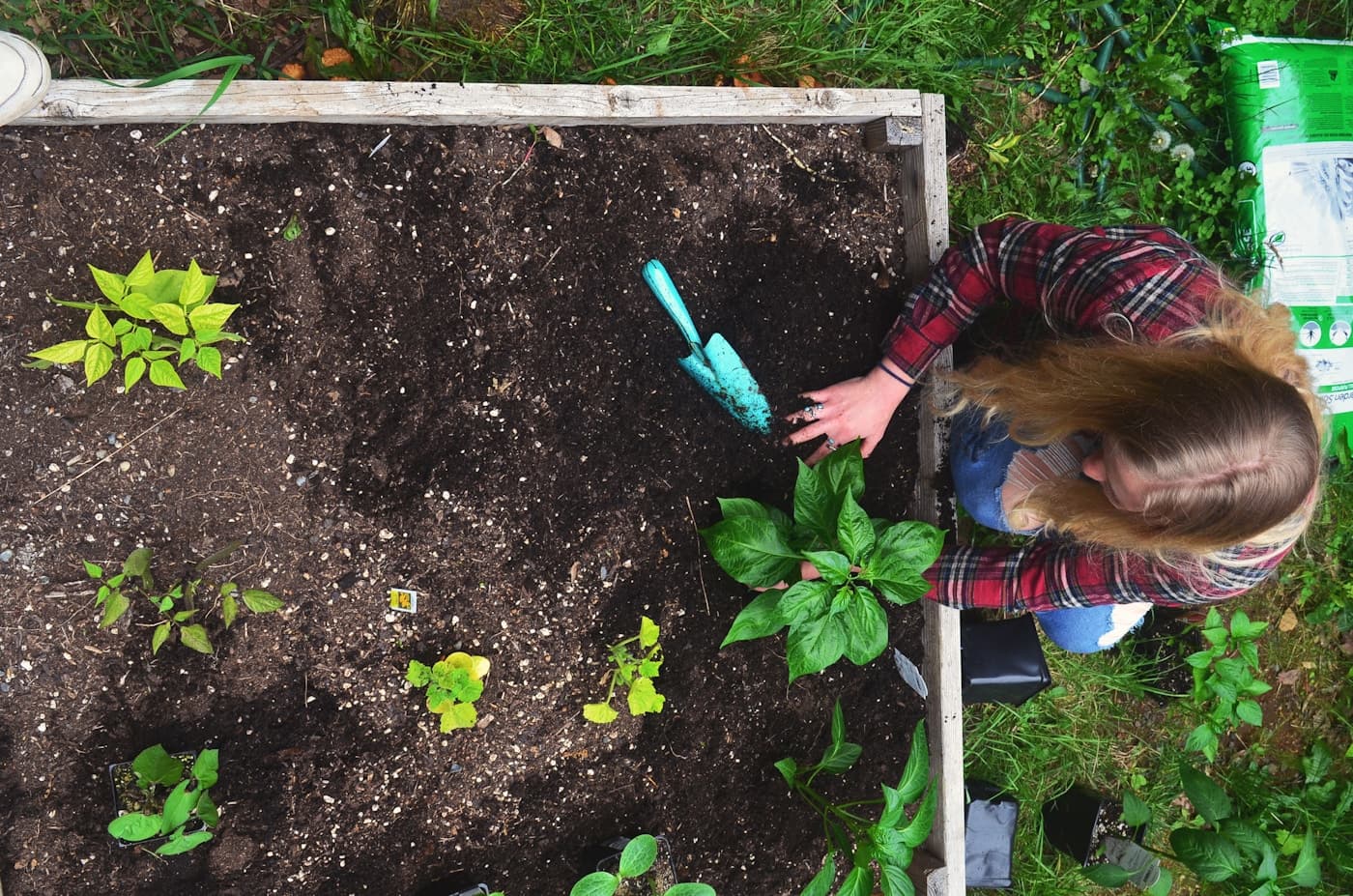
A mini garden for a balcony, patio, or doorstep: start with load and water
Small gardens concentrate weight, runoff, heat, wind, and maintenance. A few well-sized containers outperform a crowded collection that cannot be watered safely.

A large wet container can be heavy, and several containers clustered along a balcony edge add concentrated load. Rail planters, hanging baskets, and trellises introduce fall and wind hazards. Ask the building owner, association, or qualified professional about restrictions and load uncertainty.
Drainage water should not stain walls, create slip hazards, fall on people below, or collect against the building. Use saucers and stands thoughtfully without leaving roots submerged.
The short answer
Confirm structural load and property rules, map sun and wind, choose containers with drainage and manageable mature plants, protect surfaces and neighbors from runoff, and build a watering plan that someone can maintain during heat and travel.
Clear structure, rules, and egress
Confirm balcony or roof use, railing attachments, waterproofing restrictions, fire and exit clearances, and container weight. Keep doors, stairs, drains, and utility equipment accessible. Do not attach loads to railings without approval.
Map the small climate
Record direct sun, reflected heat, wind tunnels, roof overhang, rain exposure, and cold pockets. A balcony several stories up can be windier and drier than a ground-level garden on the same side of the building.
Choose fewer, functional containers
Use drainage holes, stable shapes, compatible materials, and enough soil volume for mature roots. Group plants with similar water needs and choose edible crops or ornamentals suited to the actual light and season.
Control water and runoff
Water slowly until the root zone is moist, then observe drainage. Protect surfaces without trapping water against building materials. Empty standing water that can breed mosquitoes and avoid sending fertilizer or soil into storm drains.
Plan care and absence
Set a heat-wave check, pruning and harvest routine, and a plan for travel. Self-watering containers can extend intervals but still require monitoring. Remove failed plants promptly and record which locations worked.
Put the guide to work
Field notes
- First
- Load, attachment, property rules, egress, drains, and waterproofing.
- Microclimate
- Direct and reflected sun, wind, rain shelter, and cold.
- Runoff
- Protect people, walls, walking surfaces, and storm drains.
- Keep manageable
- Fewer larger containers with compatible plants and a reliable watering plan.
Make the next step useful
Put this guide on your home plan
Know when to call a professional. Stop if work involves active gas leaks, damaged service wiring, structural movement, unsafe heights, suspected contamination, or a problem you cannot confidently isolate.
Editorial review and sources
Reviewed by: Smart Homeowners Editorial Desk
Last reviewed: August 26, 2026
Original Smart Homeowners editorial; not adapted from a third-party article.