Plan a lower-water yard by zone, not by a plant list
Start with sun, soil, irrigation, and the places people actually use before selecting plants or removing a lawn.
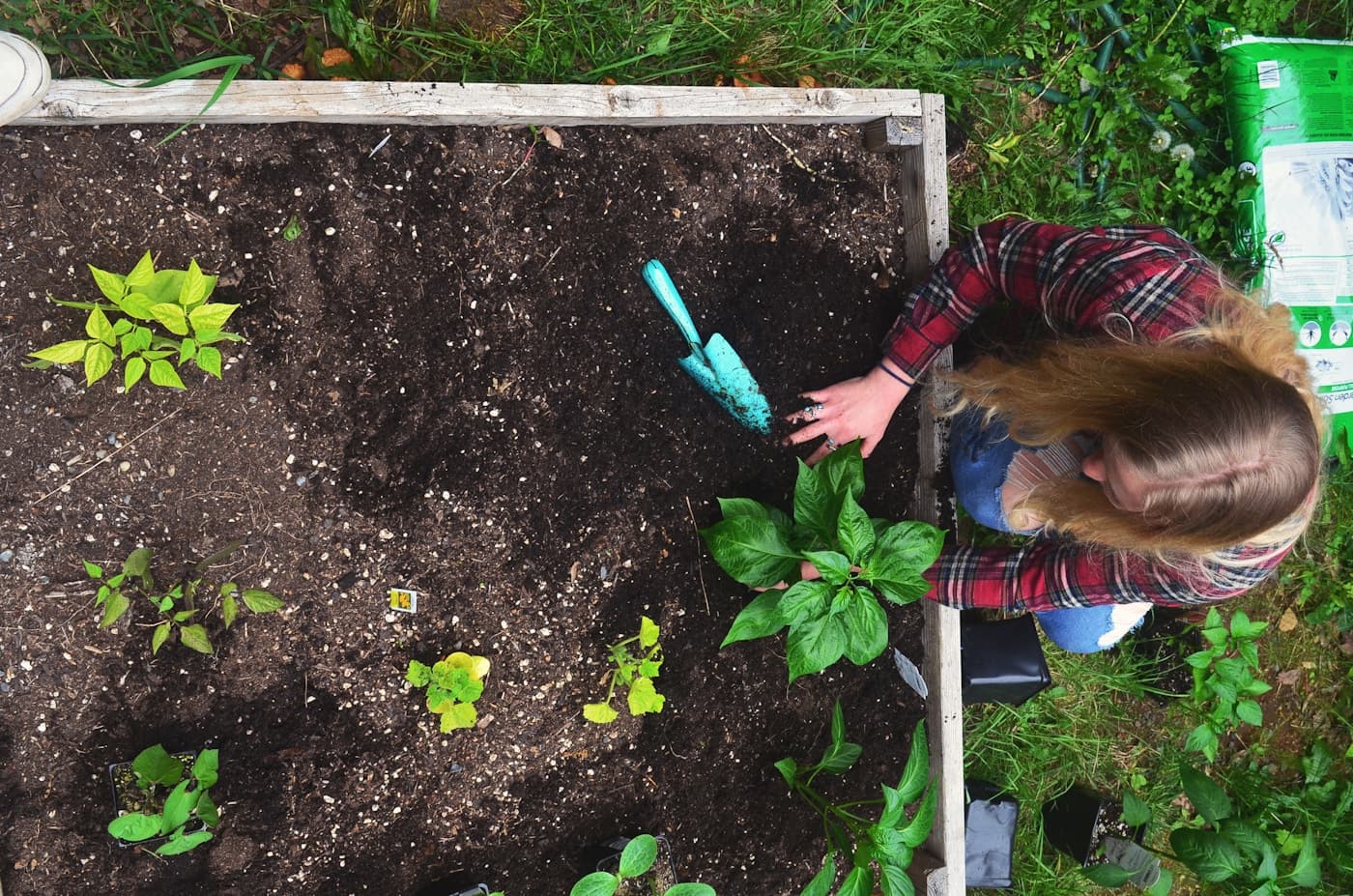
A water-wise yard is a design and maintenance decision, not a single plant purchase. The same species can need different care on a hot wall, in a shaded bed, or beside a compacted path. Begin by observing water, sun, soil, and use patterns across the property.
Local climate, water rules, fire conditions, and invasive-plant concerns matter. Extension services and local water agencies are better sources for regional plant lists and rebate details than a national design trend.
The short answer
A lower-water landscape works when plants, irrigation, soil, and use zones match each other; replacing turf with thirsty plants or solid paving simply moves the problem.
Draw a simple base map
Mark house walls, paths, existing trees, utilities, slopes, downspouts, irrigation zones, outdoor use areas, and where water collects. Photograph the yard in morning, afternoon, and after irrigation or rain.
Sort the yard into practical zones
Separate active lawn, entry, food garden, privacy, shade, drainage, and low-traffic areas. Each zone can receive a different planting and water strategy rather than one schedule for the entire property.
Fix irrigation distribution first
Repair obvious leaks and misdirected heads, then align irrigation type and run time with the zone. Consult a qualified irrigation professional for major redesign, backflow work, or uncertain buried utilities.
Choose regionally suitable plants
Use local extension or water-agency lists to select plants by mature size, sun, water needs, and maintenance. Install smaller groups and observe them through a season before converting the whole yard.
Maintain the transition
New plantings need establishment care even when mature plants are low-water. Review mulch, weeds, irrigation, and plant health regularly, and adjust from observed need rather than a fixed calendar alone.
Put the guide to work
Field notes
- Audit water before changing plants
- Read the irrigation schedule, observe every zone, and look for runoff, overspray, broken heads, and dry or soggy patches. A design cannot overcome a system that waters pavement and misses roots.
- Group by need
- Place plants with similar sun, water, and mature-size needs together. Preserve a practical play or sitting area separately from ornamental beds so every part of the yard is not irrigated alike.
- Protect soil
- Use mulch appropriate to the site, avoid compacting root zones, and use a soil test when nutrients or pH are uncertain. Do not add amendments from a generic recipe without knowing what the soil needs.
- Design for local hazards
- In fire-prone areas, select and maintain plants with defensible-space guidance in mind. Follow local water restrictions, drainage rules, and HOA or municipal requirements before changing hardscape or irrigation.
- Choose zone goals before plant names
- For each zone, write its purpose, sun exposure, traffic, irrigation method, drainage behavior, and acceptable maintenance. Then select plants from a local source that fit those conditions. This prevents a low-water label from overriding the actual use and microclimate of the site.
- Phase the conversion
- Begin with one irrigation zone or one visibly wasteful area, record the existing schedule and condition, then observe the change through a season. Phasing reveals drainage, shade, and establishment needs before a whole-yard purchase locks in a design that may not suit the property.
Make the next step useful
Put this guide on your home plan
Know when to call a professional. Stop if work involves active gas leaks, damaged service wiring, structural movement, unsafe heights, suspected contamination, or a problem you cannot confidently isolate.
Editorial review and sources
Reviewed by: Smart Homeowners Editorial Desk
Last reviewed: August 25, 2026
Original Smart Homeowners editorial; not adapted from a third-party article.
