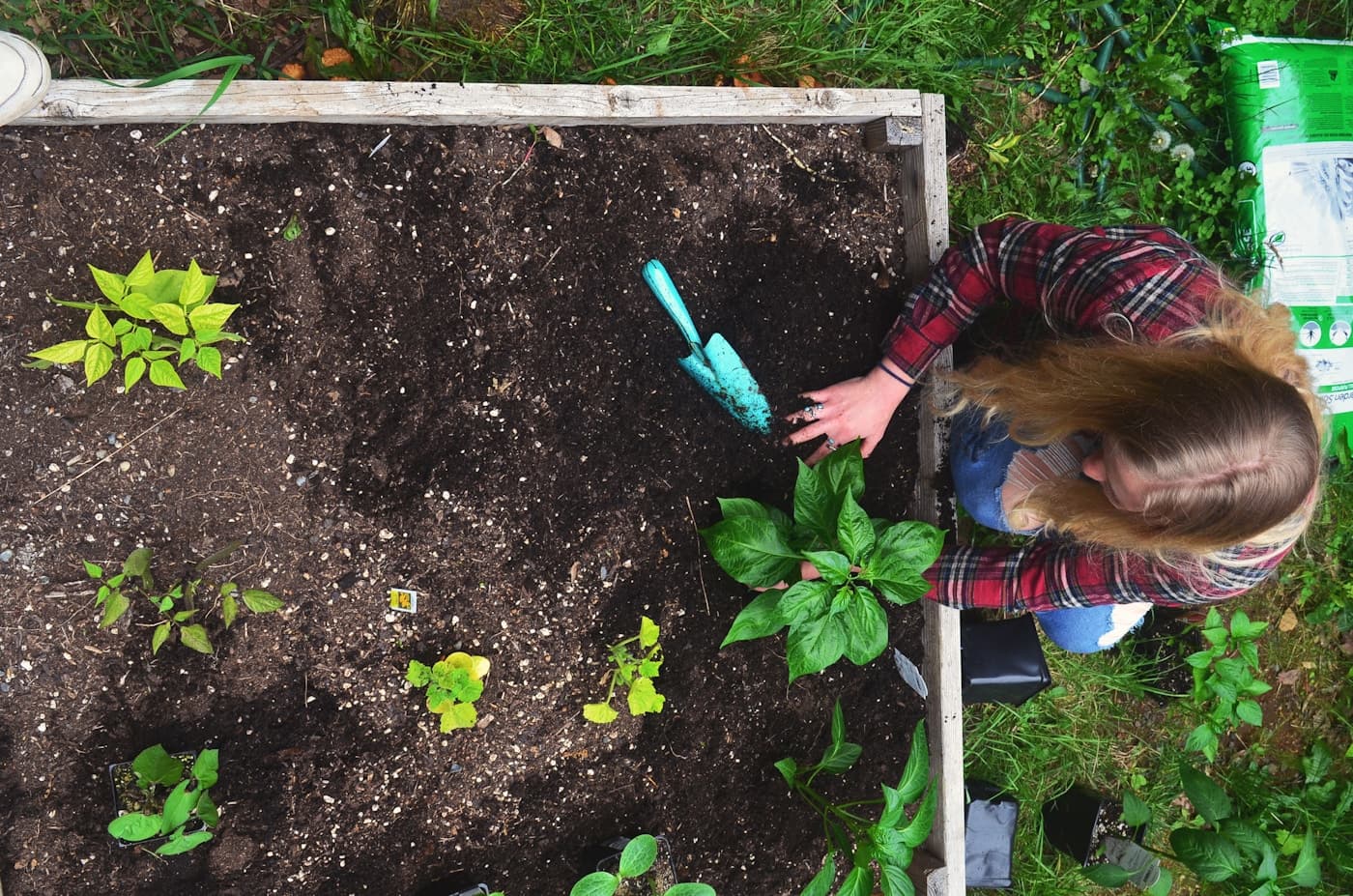
How to grow butterfly weed without moving it every season
Butterfly weed rewards sun, drainage, and patience. Its deep root system and slow spring emergence make site selection and labeling especially important.
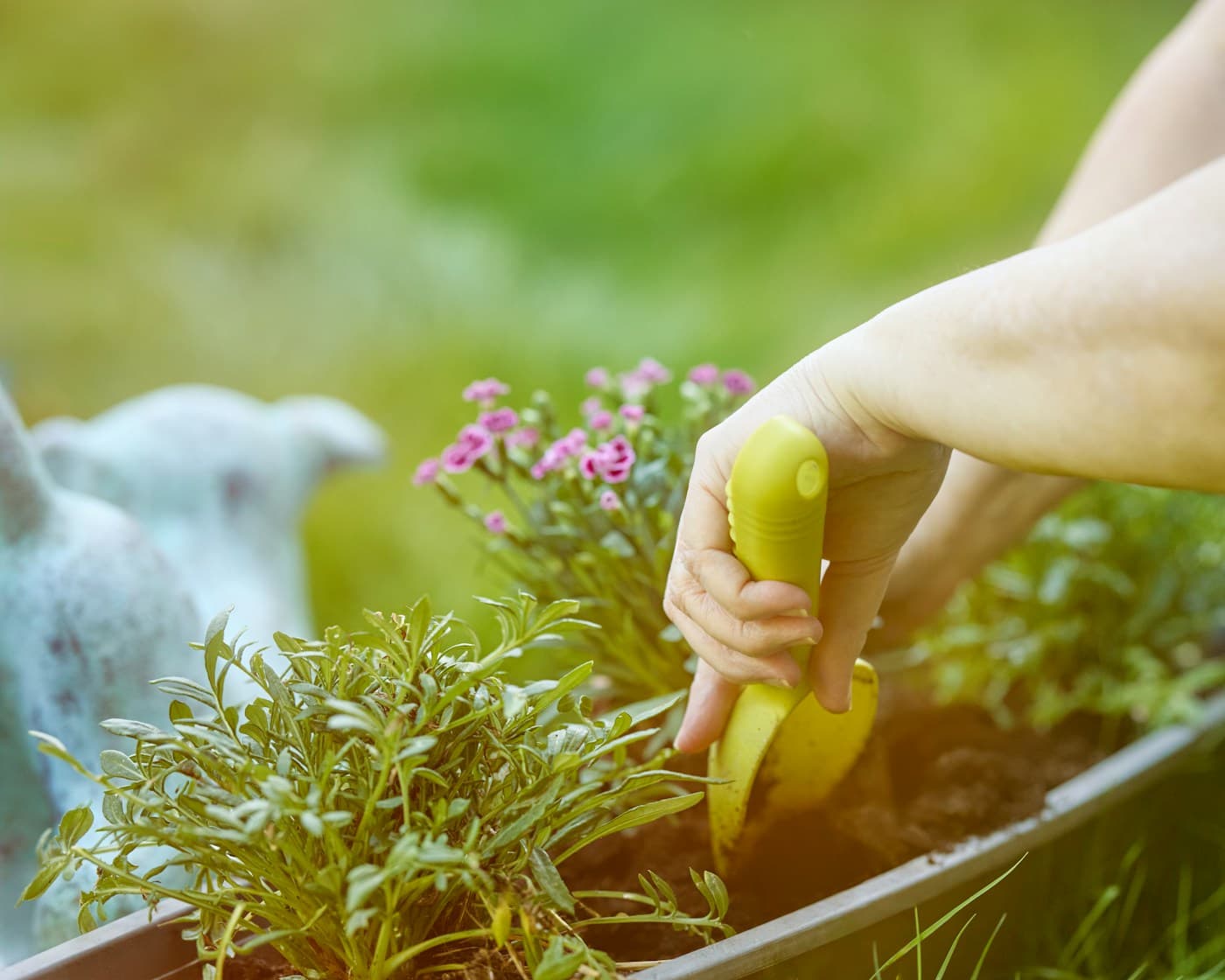
Butterfly weed, Asclepias tuberosa, is a milkweed native across broad parts of North America, but local genotype, soil, winter conditions, and ecological guidance still matter. Source nursery-propagated plants and use regional resources rather than collecting wild plants.
It may emerge later than neighboring perennials. A permanent marker prevents accidental digging, and mature placement reduces the need to disturb its deep root system.
The short answer
Confirm that butterfly weed is regionally appropriate, choose full sun and well-drained soil, plant at the same depth without damaging the root, water through establishment without keeping it wet, mark the crown, and avoid unnecessary transplanting or pesticide exposure.
Confirm local suitability
Use extension or native-plant resources to verify regional status, expected mature size, bloom period, and cultivar considerations. Check local milkweed guidance because species suited to one region may be discouraged in another.
Choose sun and drainage
Select an open site with strong light and soil that drains after rain. Avoid low wet pockets, frequent irrigation zones, and locations where roof runoff concentrates. Leave mature spacing and access for observation.
Plant with minimal root disturbance
Handle the root ball carefully, plant at the nursery depth, firm soil without compaction, and water thoroughly. Do not amend one small hole into a water-holding bowl or bury the crown beneath deep mulch.
Water for establishment, then reduce
Check moisture at root depth and water when the establishing root zone needs it, adjusting for soil and weather. Established plants often prefer drier conditions; constant irrigation can work against the species' adaptation.
Label, observe, and manage responsibly
Mark the location through winter, expect later spring growth, and leave room for pollinator activity. Avoid broad insecticide use and follow integrated pest-management guidance. Wear gloves and keep plant material away from children and pets who may ingest it.
Put the guide to work
Field notes
- Botanical name
- Asclepias tuberosa; verify regional suitability and nursery identity.
- Site
- Full sun, drainage, mature space, and no concentrated roof runoff.
- Patience
- Late spring emergence is normal enough to justify a permanent marker.
- Pollinators
- Avoid broad pesticide use and follow local integrated pest management.
Make the next step useful
Put this guide on your home plan
Know when to call a professional. Stop if work involves active gas leaks, damaged service wiring, structural movement, unsafe heights, suspected contamination, or a problem you cannot confidently isolate.
Editorial review and sources
Reviewed by: Smart Homeowners Editorial Desk
Last reviewed: August 26, 2026
Original Smart Homeowners editorial; not adapted from a third-party article.