A 15-minute entryway reset that controls daily clutter
A landing zone for keys, bags, shoes, and incoming paper can solve the busiest doorway without a full remodel.
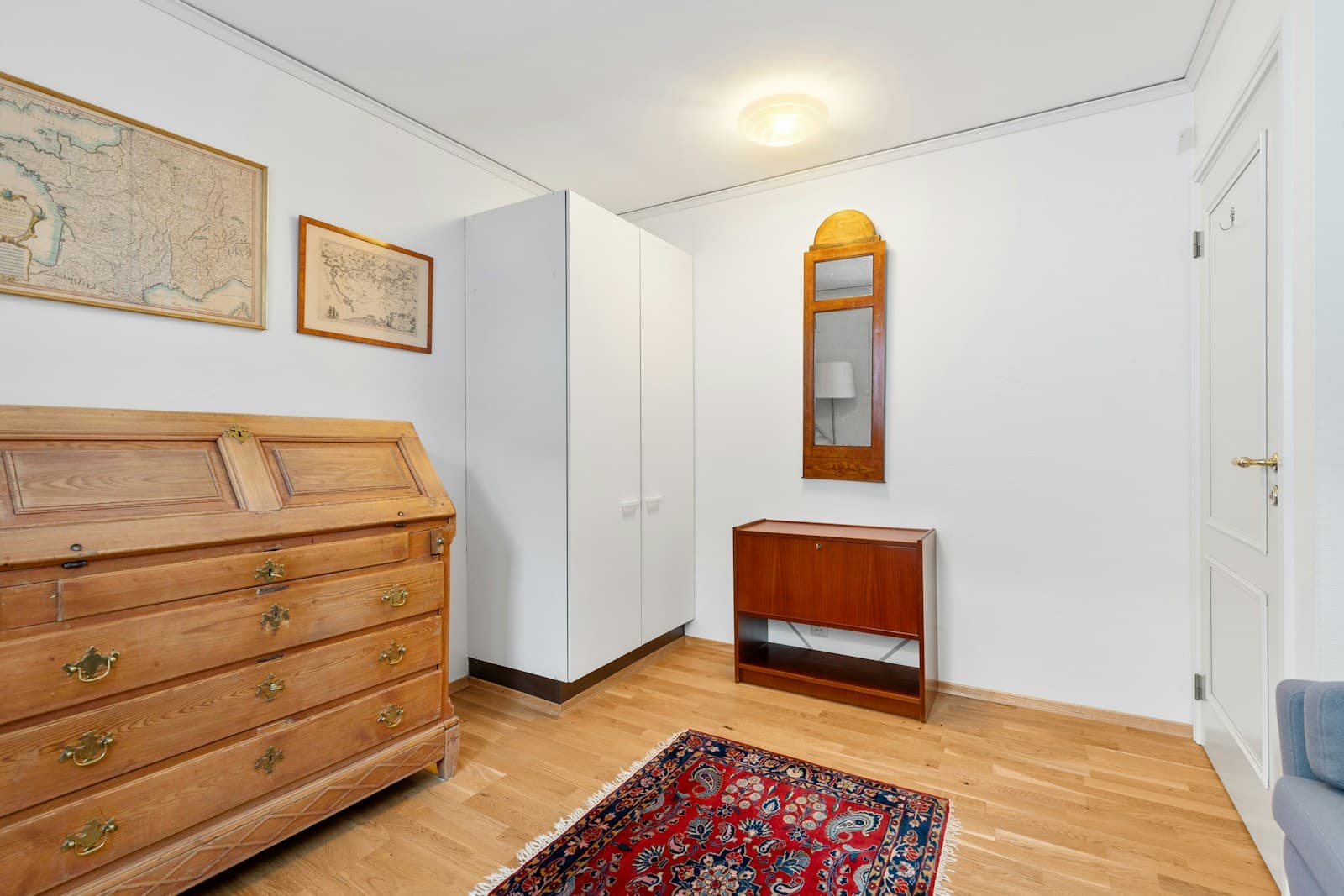
An entryway works when the next arrival has an obvious place to land. The aim is not a perfectly styled hall; it is a small, safe circulation zone that controls the objects people actually carry in and out.
Start with the route from door to daily life. Keep exits, stairs, and electrical equipment clear, and avoid wall storage that cannot be safely secured for its load and wall type.
The short answer
The most effective entryway stores departure essentials and leaves enough empty space for the next arrival.
Audit the real doorway for three days
Do not begin with baskets. Put a temporary note near the door and record what comes in, what leaves, where it lands, and what causes a pileup. Include deliveries, pet gear, work bags, school materials, shoes, umbrellas, mail, and items that actually belong elsewhere. Design capacity from that evidence, including the busiest day.
- Useful output
- Sort the list into arrivals, departures, short-term paper, seasonal overflow, and items that need a different room. Only the first three categories usually belong at the entry.
Protect the path first
Measure the route from the exterior door through hallways, stairs, and any adjacent rooms. Check the open door swing, handrails, smoke-alarm access, heating equipment, and electrical panel clearance before placing furniture. The entry is part of the home's exit path, so a bench or shoe rack cannot be allowed to turn it into storage overflow.
- Stop point
- If an item narrows a staircase, blocks a door, rests near an electrical panel or heat source, or would delay leaving in an emergency, relocate it rather than organizing around it.
Give each daily category one visible home
Use a shallow key tray, a labeled paper holder, reachable hooks, and a defined shoe zone sized for the household. Choose containers that make a full condition obvious; deep opaque bins hide the problem until the system fails. Put only the most-used departure items at eye or hand height.
- Load and wall check
- Install hooks and shelves with fasteners and mounting methods appropriate for the item, load, and wall construction. Do not assume decorative hardware is structural.
Build a paper and delivery rule
Give incoming paper a temporary holding spot and a fixed review time. Recycling, action items, records, and returns should leave the entry quickly; the space should not become a second office. For packages, decide which ones can wait in the entry and which must be brought farther inside for safety or weather protection.
- Privacy note
- Keep mail, keys, garage remotes, and personal documents out of view from an open door or street-facing window.
Reset capacity before the next season
At the end of a school term, weather shift, or sports season, remove gear that is no longer in daily rotation and test the route again. Take one photo of the working arrangement so a household member can restore it without inventing a new system. If storage keeps expanding, solve the overflow elsewhere instead of making the exit path carry it.
- Maintenance rule
- One empty hook and one open tray section are capacity, not wasted space; preserve them for the next arrival.
Put the guide to work
Field notes
- Count the repeat items
- For three days, note keys, bags, shoes, mail, pet gear, sports equipment, and deliveries. Design for the actual volume, not an idealized household.
- Keep the egress clear
- Maintain a clear path through door swings, stairs, and exits. Do not store combustible clutter near a heat source, electrical panel, or emergency exit.
- Use load-rated storage
- Install hooks, shelves, and benches according to their instructions and wall type. Anchor tall or heavy pieces and keep heavy objects low.
- Create an exit routine
- Give mail a review point, shoes a capacity limit, and keys one visible home. Review the system after a season or schedule change rather than adding random bins.
Make the next step useful
Put this guide on your home plan
Know when to call a professional. Stop if work involves active gas leaks, damaged service wiring, structural movement, unsafe heights, suspected contamination, or a problem you cannot confidently isolate.
Editorial review and sources
Reviewed by: Smart Homeowners Editorial Desk
Last reviewed: August 26, 2026
Original Smart Homeowners editorial; not adapted from a third-party article.